
Reverence for Life
protecting and serving

At the monastery, we go out of our way to protect life. Sometimes, we use fallen leaves or flowers to keep ant trails contained and visible, so that visitors and residents with poor eyesight don’t step on the hardworking little creatures:
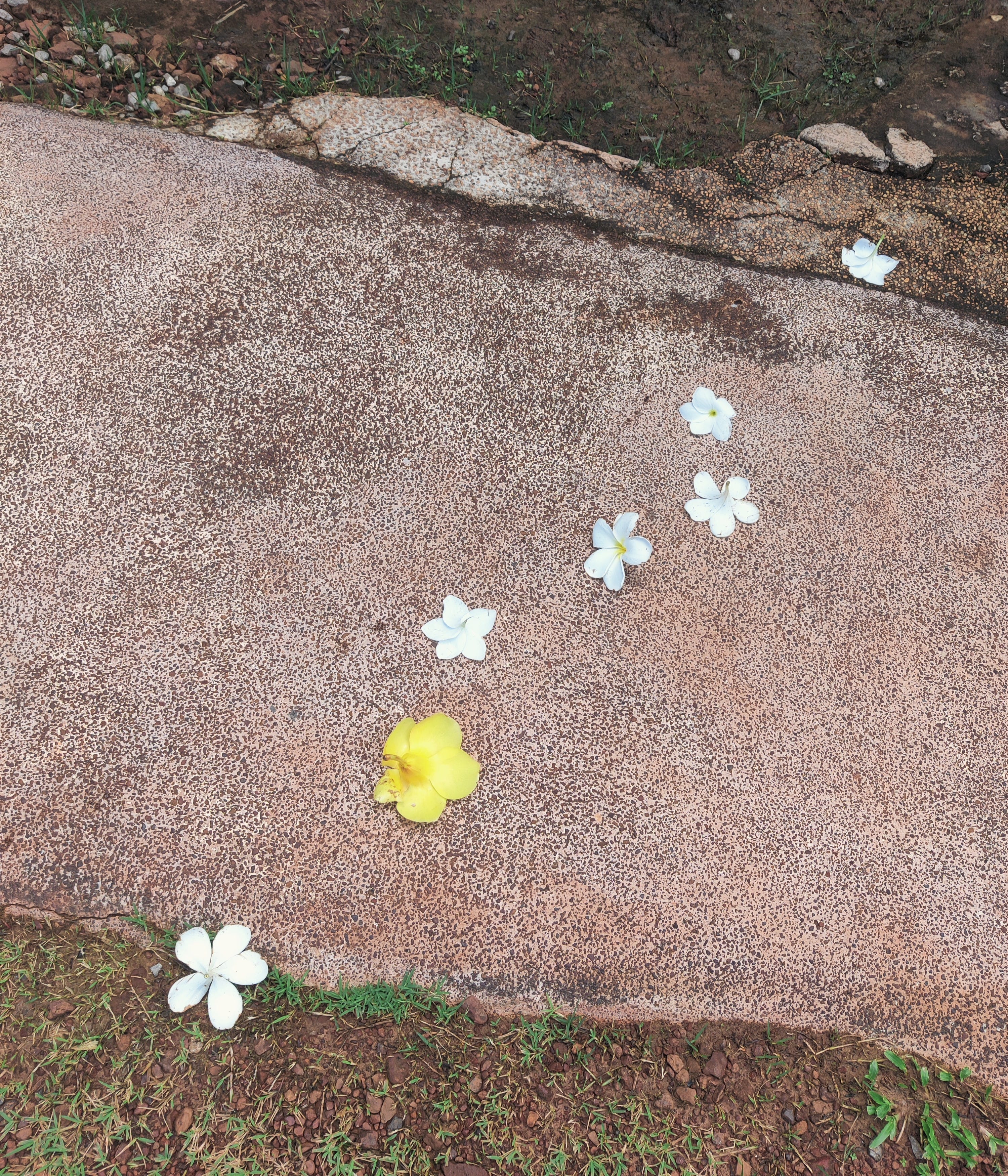
Taking extra steps to protect tiny beings ensures that we are peaceful. For those of us who protect insects and slugs, the sin of killing a human is unthinkable.
What would the world look like if every human being was committed to saving and respecting life? There would be no murder. There would be no torture or cruel punishment. There would be no death penalty. There would be no genocide.
Can you imagine a world like that? Can you help to build it? You can’t control the behavior of others. However, you can choose harmlessness (Pāli: ahimsa) in your own actions. If that becomes your standard, you may inspire the people around you.
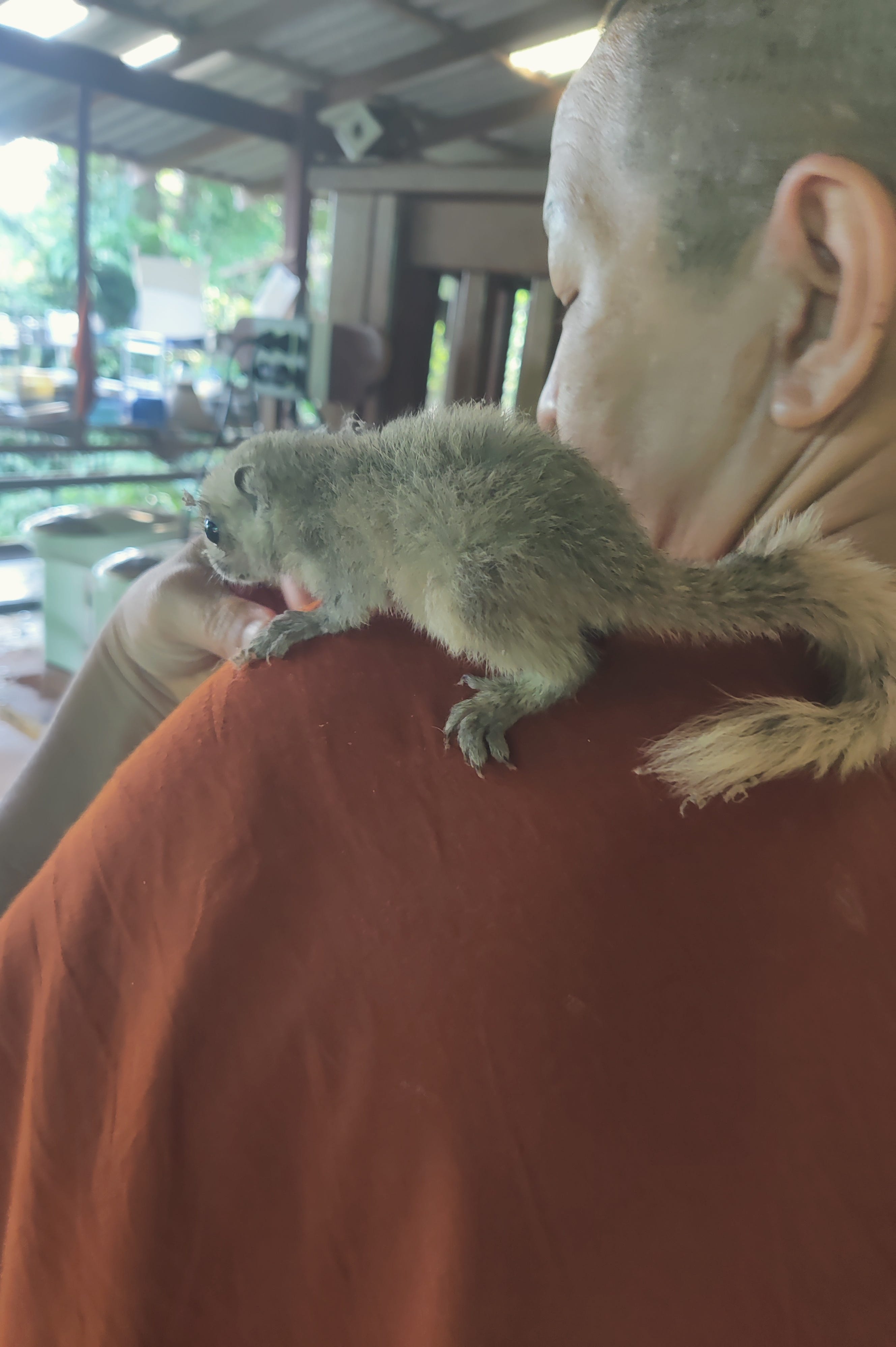
One of the monks at our temple rescued an abandoned baby squirrel
---
“[The physician] must have two particular objectives with regard to disease: to do good or to do no harm.”
Hippocrates, Of the Epidemics
Until I turned seven, my father was a medical student and then a resident. As a boy, I pored through his textbooks for hours.
(Reading way over one’s head was a common pastime in the days before ubiquitous access to the Internet.)
My favorite textbooks had semi-transparent pages displaying different layers of human anatomy. I became enamored with drawing skeletons, with and without their organs.
Dad had a full-sized human skeleton in the office of his orthopedics practice. Coincidentally, it is common for Thai monasteries to keep skeletons or skulls onsite as a reminder of the impermanence of human life.
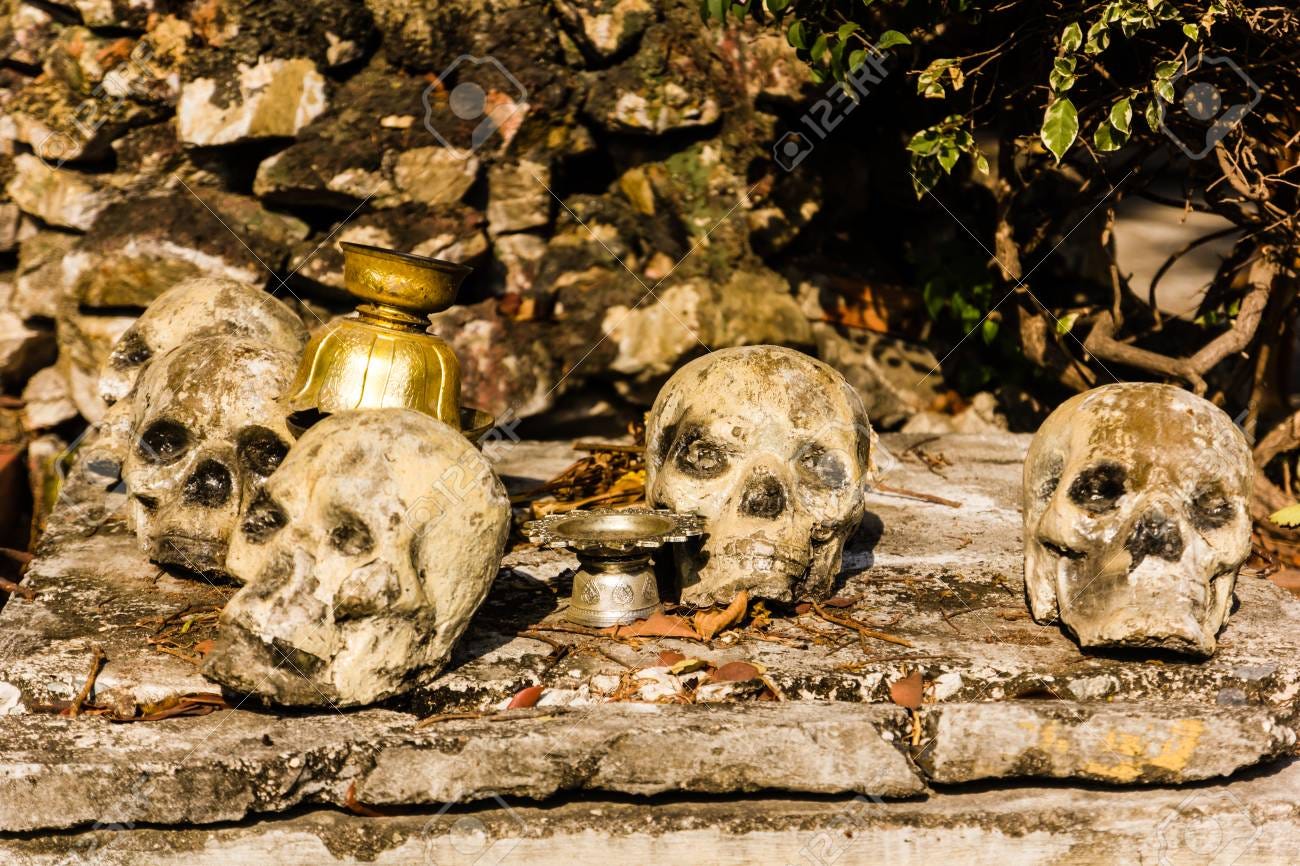
Memento Mori
---
“Knowing how to be generous, there are many things you can do at any time. Goodness can be gathered every day...”
-- Venerable Ajaan Wanchai
This lovely beetle was drowning in a gutter. I pulled him out, and we became fast friends. If you wish, you can watch him drying off his antennae. (Turn up your volume to hear the music of the jungle):
---
Buddhism doesn’t have commandments, because there is no belief in a creator-god who is qualified to dish them out. Instead, Buddhism has guidelines for skillful actions, often called “precepts.” In this regard, Buddhism is more like an educational system than a religion.
(You’re welcome to make use of Buddhist wisdom, even if you believe in The Creator. Many of the Buddha’s disciples were followers of Brahmanism, the antecedent of Hinduism. Buddha saw no need to convert them before teaching them.)
The first precept is, simply, “do not kill.” Do not kill means all animals including the tiny ones:
Pāṇātipātā veramaṇī sikkhāpadaṃ samādiyāmi.
(I undertake the training rule to abstain from taking life.)
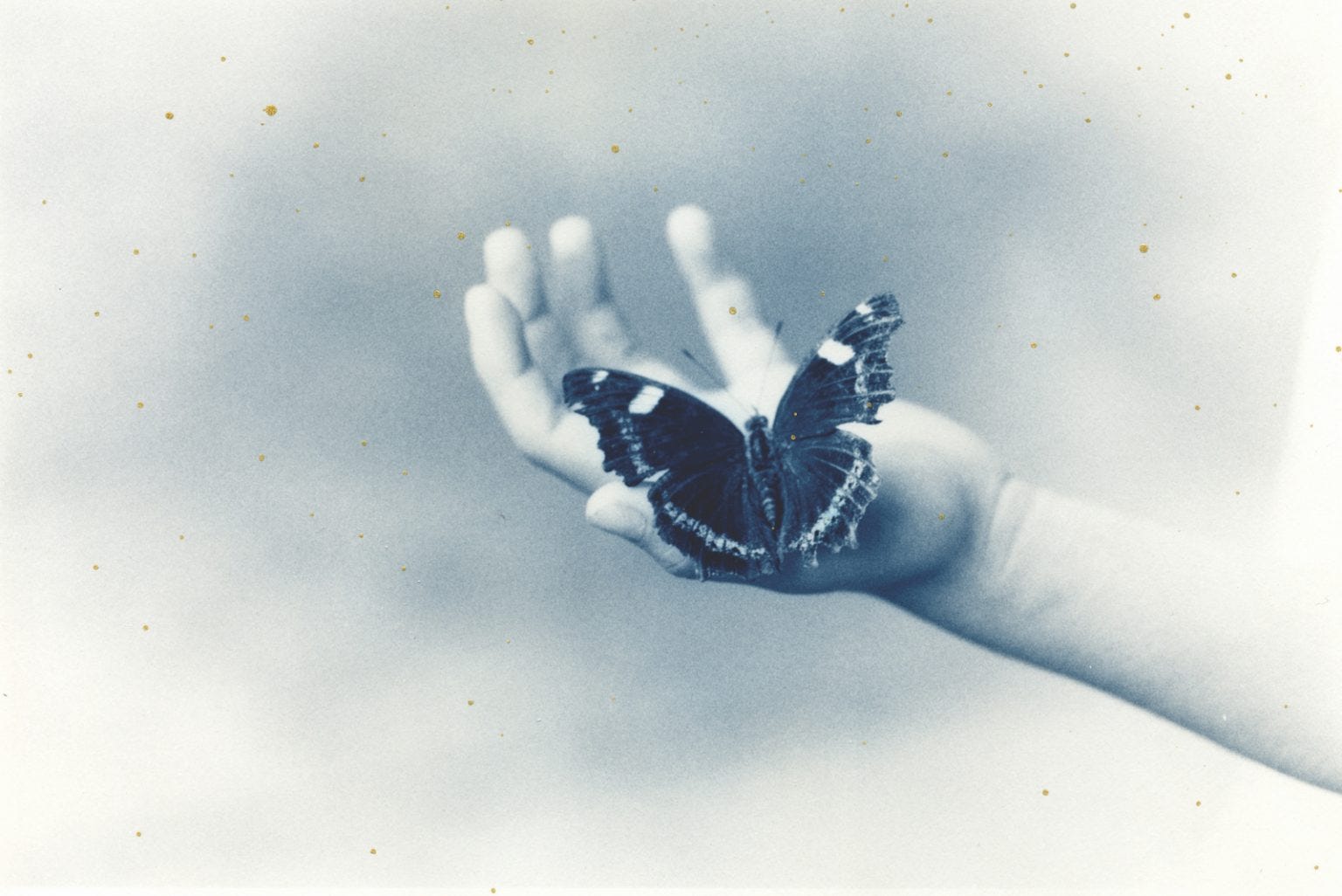
Photograph by Yamamoto Masao
Those ants drowning in your toilet bowl, could you help them back outside, instead of flushing them? Mice in the basement, could you catch them with a live trap, and then release them in a forested area?
It’s not convenient or easy to take these extra steps, but they are worth the effort. The heart feels light and satisfied when you save a life.
The energy that arises when you protect other beings can fuel your spiritual life. Buoyed by skillful action, your mind becomes clear and peaceful, conducive to deep meditation. And when you meditate regularly, you feel more drawn to skillful action. So you do more things that energize and uplift the mind...
This is an upward spiral that you can develop without limits. If you’re already climbing that magic stairway, then please keep going.
May all beings be free from all suffering. May you cultivate reverence for life, so that you can forever be well! ✨
With Mettā,
G/จี
(Virocano Bhikkhu)
 |
|
Thank you for sharing Grisha Bhikkhu. It's good to know you are there. Missing you!
I wonder what prompted you to share this at this time.